October 15, 2026
Is the Monsoon Really Over? When to Repaint Your Navi Mumbai Flat, and What to Fix First
The rain has stopped and the walls look dry, but paint goes on a dry wall, not a dry-looking one. Here is how to check, what to fix first, and when to leave the roller alone.
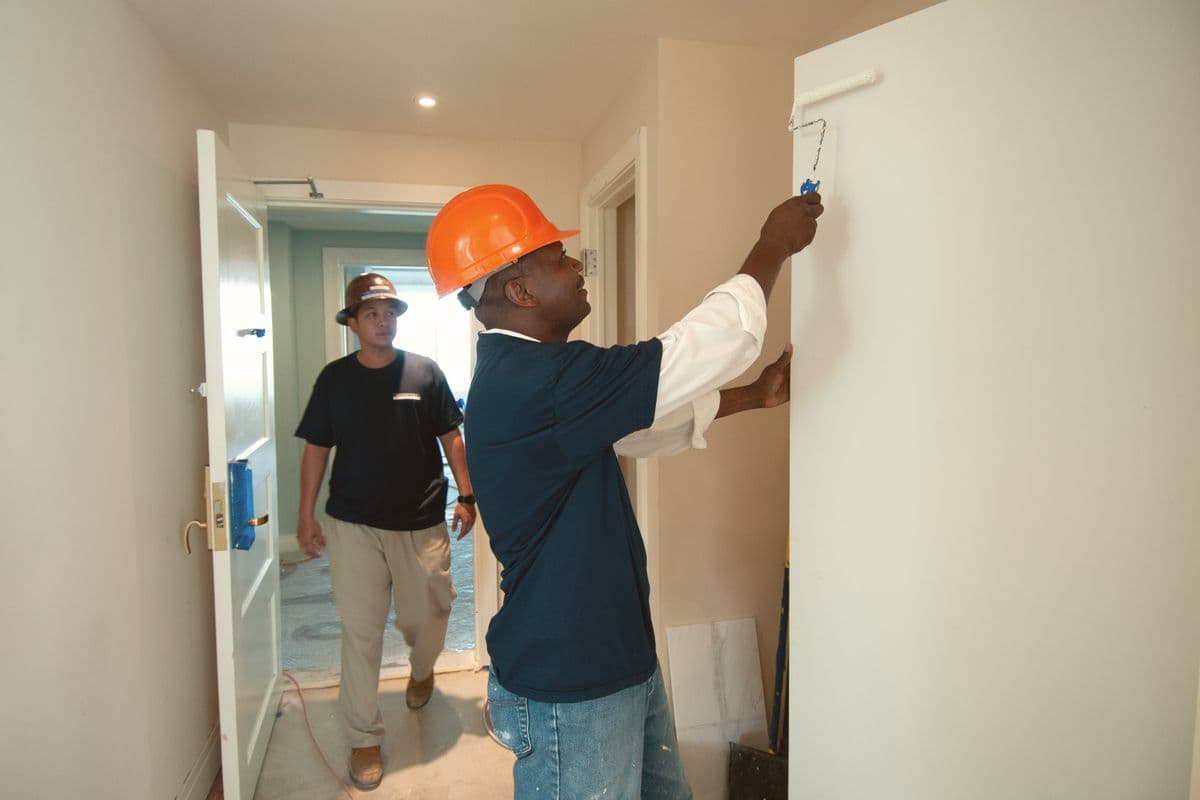
Photo: Pexels/DΛVΞ GΛRCIΛ
The rain has mostly stopped, the walls look dry, and Diwali is a few weeks away, so repainting feels like the obvious next job. Hold off for a moment. A wall that looks dry on the surface can still be holding monsoon moisture inside, and paint put over that tends to bubble within months. Innovation Interior has worked on flats across Navi Mumbai from its Kharghar studio since 2005. Here is how to tell when a wall is really ready.
Why a wall can look dry and still be damp after the monsoon
Picture a bedroom wall in a Kharghar flat. In September there was a faint dark patch near the window. By mid-October it has faded to nothing, the room smells normal, and the whole wall looks fine. So you book a painter for the week before Diwali. Three months later the same corner is bubbling, and now the new paint is peeling in the shape of the old patch.
That is the usual way a post-monsoon repaint goes wrong. Water gets into plaster and brick during the rains and leaves slowly, because Navi Mumbai stays humid well into October and a damp wall has little to dry into. The surface dries first and the inside takes longer. Paint seals the surface, so the moisture still inside has nowhere to go and pushes the paint film off from behind. Wall dampness after the monsoon is not a sign that anything is badly wrong. It only means the timing of the repaint matters more than the choice of paint.
How long should a wall dry before painting?
We will not give you a number of days, because there is no honest one. How long a wall takes depends on how much water got in, which side of the building it faces, whether it gets any sun, and how much air moves through the room. A sunny, ventilated wall may be ready much sooner than a north-facing corner behind a wardrobe. Anyone who promises a fixed waiting period without looking at your wall is guessing.
What works is checking the wall, not the calendar. A painter with a moisture meter can read the wall directly, and that is the most reliable method. You can also do a rough check yourself. Tape a small square of clear plastic sheet firmly to the wall, sealing all four edges, and leave it for a day. If the wall behind it looks darker or you see droplets on the inside of the plastic, moisture is still coming out. Other signs are a cool or clammy feel compared with the wall next to it, white powdery salt deposits on the plaster, and a musty smell in a closed room. If you see any of these, wait and check again.
Opening windows and running a fan helps a wall dry. Keeping wardrobes a few inches off the damp wall helps too. Neither is a shortcut. If a wall is still reading damp after weeks of airing, the water is probably still getting in from somewhere, and that is the next thing to find.
Find where the water came in before any seepage wall repaint in Kharghar
Repainting a damp patch without finding its source is the most expensive mistake in this whole job, because you pay for the same wall twice. Before anyone opens a paint tin, walk the flat and trace each stain back to where the water could have entered.
Start with the outside of the wall. Hairline cracks in external plaster, gaps around window frames, and the openings around AC pipes and cable entries are the most common routes. Then look at what is above and beside the stain. A stain on a ceiling often comes from the terrace slab, the flat upstairs, or a bathroom pipe above it, not from your own walls at all. A patch low on a wall that shares a bathroom may be seepage from a leaking pipe or tile joint on the other side.
Some of these are repair jobs for a civil team, such as filling cracks, resealing joints or redoing plaster. Others are not yours to fix alone. If the water is coming from the flat above or from the building's terrace, the housing society has to be part of the conversation, and no amount of repainting in your flat will solve that. We can look at the wall and tell you what we see, but we will not promise a wall is leakproof, because that depends on the building and on a source we may not be able to reach from your side.
The order that makes a post-monsoon repaint last
Once the wall reads dry and the source is dealt with, the repaint itself follows a fairly fixed order. Scrape off every bit of loose, flaking or bubbled paint back to firm surface. Fill cracks and dents with putty, let it set, and sand it smooth. Apply a primer coat so the paint has something sound to grip. Only then do the finish coats go on, with each coat allowed to dry before the next. If you skip a step to save a day, you carry the risk into next monsoon. We covered the preparation side in more detail in our earlier post on why paint peels early in Navi Mumbai homes.
If the work needs repairs behind the paint as well, such as plaster patching or sealing, it helps to have one team do both, which is how Innovation Interior runs it, so the repair has finished and dried before the painter arrives. That coordination is the part that usually slips when two separate contractors work on one wall.
When you should not repaint yet, or at all
Plenty of walls do not need a studio, or even a full repaint. If the paint is only faded or a little dull, and the wall is dry and sound, a fresh coat is a cosmetic choice and you can book any good painter whenever you like. If there is a single stain from a leak that was fixed once and never returned, a patch repair with a colour-matched touch-up is usually enough, and repainting the whole room would be more than the wall needs.
The opposite case matters more. If a patch comes back after every repaint, stop repainting it. That wall is telling you the water is still entering, and a fourth coat of paint will not change that. Find the source first. And if the wall is still damp, the festive date is not a good reason to paint over it. A room painted two weeks later and done properly will look better in a year than a room painted on time and peeling.
Questions
Frequently asked questions.
When should I repaint after the monsoon in Navi Mumbai?
When the wall is actually dry, not when the rain stops. Humidity stays high here into October, so walls can take longer than you expect. Check with a moisture meter or the plastic sheet test, and repaint once the wall reads dry and any leak source has been fixed.
Can I paint over damp walls?
You can, but you should not. Paint seals the surface and traps the moisture inside, which then pushes the paint off as bubbles and flakes, usually within months. Letting the wall dry and fixing the source first costs less than repainting the same wall twice.
How can I check if my wall is dry enough to paint?
The most reliable way is a moisture meter in the hands of a painter or contractor. For a rough home check, tape clear plastic to the wall for a day. A darker patch or droplets under the plastic mean moisture is still coming out. A cool, clammy feel or white powdery deposits on the plaster are also warning signs.
What causes a ceiling leak stain after rain?
Usually water from the terrace slab, the flat above, or a bathroom pipe overhead, not your own ceiling. Cracks in the slab or a leaking joint upstairs are common sources. If the source is outside your flat, your housing society needs to be involved, and repainting alone will not stop it.
Do I need to repaint the whole room for one damp patch?
Not always. If the cause has been found and fixed and the patch is small, a local repair with colour-matched touch-up is often enough. Repainting the full wall or room is worth it if the paint has failed across a wider area or the colours will not blend.
Should I wait until after Diwali to repaint?
Only if your walls are not ready. If they read dry and nothing is leaking, painting before Diwali is fine. If they are still damp, a short delay gives a better result than painting on schedule, and a good painter will tell you so rather than start anyway.
Which areas around Kharghar do you cover for repainting?
Our studio is in Sector 15, Kharghar, and we take on painting and repair work across Navi Mumbai, Panvel, Kamothe, Kalamboli, Nerul, Vashi, Belapur, Seawoods, Sanpada, Airoli, Ghansoli and Kopar Khairane.
Related service
Want this done properly the first time?
Free site visit anywhere in Navi Mumbai, Panvel to Vashi. Key Stone Elita, Shop 11, Sector 15, Kharghar, Navi Mumbai 410210.
Get a free quote